|
|
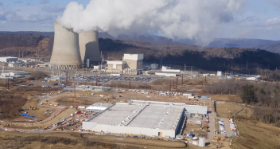
With the growth of data centers threatening to overload U.S. electricity grids, policymakers are taking a hard look at a tough-love solution: bumping them off grids during power emergencies. Texas moved first, as state lawmakers try to protect residents in the data-center hotspot from another deadly blackout, like the winter storm in 2021 when dozens died. Now the concept is emerging in the 13-state mid-Atlantic grid and elsewhere as massive data centers are coming online faster than power plants can be built and connected to grids. Read more
|
| |
|
|
|
|
|
|
|
The U.S. Environmental Protection Agency proposed last week a rule to end a mandatory program requiring 8,000 facilities to report their greenhouse gas emissions—an effort the agency said was burdensome to business, but which could leave the public without transparency around the environmental impact of those sources. The agency said mandatory collection of GHG emissions data was unnecessary because it is "not directly related to a potential regulation and has no material impact on improving human health and the environment." Read more
|
|
|
|
|
At Energy House 2.0, a £16 million temperature-controlled chamber at the University of Salford in England, scientists are blasting two new-build houses with all types of weather to see how they will cope with climate change. The Times reporter Martina Lees stayed in one of these homes to see if its air source heat pump, then covered in snow, could keep her cozy in subzero conditions. Read more
|
|
|
|
|
|
|
The U.S. Department of Energy announced $134 million in funding for two fusion programs, money intended to work on bridging the gap between research and commercialization. The bulk of the funding is reserved for seven teams tied to the Fusion Innovative Research Engine Collaboratives, a collection of virtual teams at universities and laboratories producing research prioritizing commercial application. Read more
|
|
|
|
|
Join ASHRAE Journal Technical Editor Rebecca Matyasovski and Alexander Butkus as they discuss the advantages of heat pumps over natural gas furnaces, highlighting energy savings and cost benefits.
|
|
|
|
|
|
|
|
|
|
|
|
|
|
|
|
|
|
|
|
|
|
|
By Jeremiah Christenson, P.E.; Cody Ellingson, P.E.; and Erik Aakhus, P.E.
Located in Williston, N.D., Mountrail-Williams Electric Cooperative is adjacent to a natural pond used for stormwater drainage. With the facility being an electrical cooperative, the design team used the element of a curved electrical conductor as part of the building’s shape. The HVAC system uses geothermal heating and cooling for the entire building. The modular design allows for improved efficiency and load shifting between heating, cooling and the well field as the heat sinks. Download here
|
|
|
The 2025 ASHRAE Building Decarbonization Conference, set for Oct. 22-24, in Chicago, will be the gathering place for professionals to determine how to accelerate building decarbonization strategies. The program will feature four tracks: Scaling Decarbonization, Innovator’s Showcase, Blueprints for Change and Beyond Decarbonization. Read more
|
|
|
|
|
|
|
|
|
|
|
Rep. Paul Tonko, D-N.Y., and Rep. Brian Fitzpatrick, R-Pa. recently reintroduced bipartisan legislation aimed at protecting students, teachers and others from poor indoor air quality by expanding the role of the U.S. Environmental Protection Agency. The Indoor Air Quality and Healthy Schools Act, first introduced in July 2024, would require a nationwide assessment of indoor air quality in schools and childcare facilities and provide tools to improve IAQ conditions in these buildings. Read more
|
|
Feedback
|
Ideas for future ASHRAE HVAC&R Industry News content are welcome. Email us.
|